
01
Parse the draft: split scenes, preserve dialogue, and keep visible action separate from notes.
Script to storyboard agents break a draft into the pieces a storyboard needs: scenes, character records, locations, props, reference tags, dialogue, voice notes, and image prompts. EasyVid keeps those pieces editable before media generation starts.
Script
parse scenes
Assets
characters + props
Storyboard
images + prompts
Review
regenerate pieces

Script to storyboard agents are specialized steps that turn written material into structured production inputs. One step can find scenes, another can pull characters, another can identify recurring props, and another can write visual prompts that are ready for storyboard review.
That makes them different from a single AI storyboard generator. A storyboard generator may jump straight from text to frames. Script to storyboard agents slow down the handoff so you can inspect the assets before they appear in every shot.
They also differ from a screenplay tool. A screenplay tool improves the writing. Script to storyboard agents prepare the written script for visual production by exposing who appears, where the scene happens, what objects matter, and which references should travel into the storyboard.
01
Scenes, dialogue, visual beats
02
Characters, locations, @Ticket
03
Prompts, references, coverage
Treat the handoff as a chain of reviewable agent outputs, not one black-box conversion from script to images.
01
Parse the draft: split scenes, preserve dialogue, and keep visible action separate from notes.
02
Extract reusable assets: identify characters, locations, props, and voice needs before generation.
03
Write storyboard prompts: describe what each scene should show using the extracted assets.
04
Attach references: connect @tags, images, voices, and scene context before the storyboard is approved.
Each agent produces something you can review before images, video, voice, or sound are generated. Fix the asset list now, and the storyboard has a cleaner starting point.

Separate location, visible action, dialogue, and implied production needs before prompts are written.
Promote recurring people, places, and objects into editable assets the storyboard can reuse.
Attach @tags and reference images so important details survive every generated scene.

Turn the approved structure into scene prompts with the right characters, props, and dialogue context.
The value is review. Each agent output can be corrected before it becomes a visual mistake repeated across the storyboard.
01
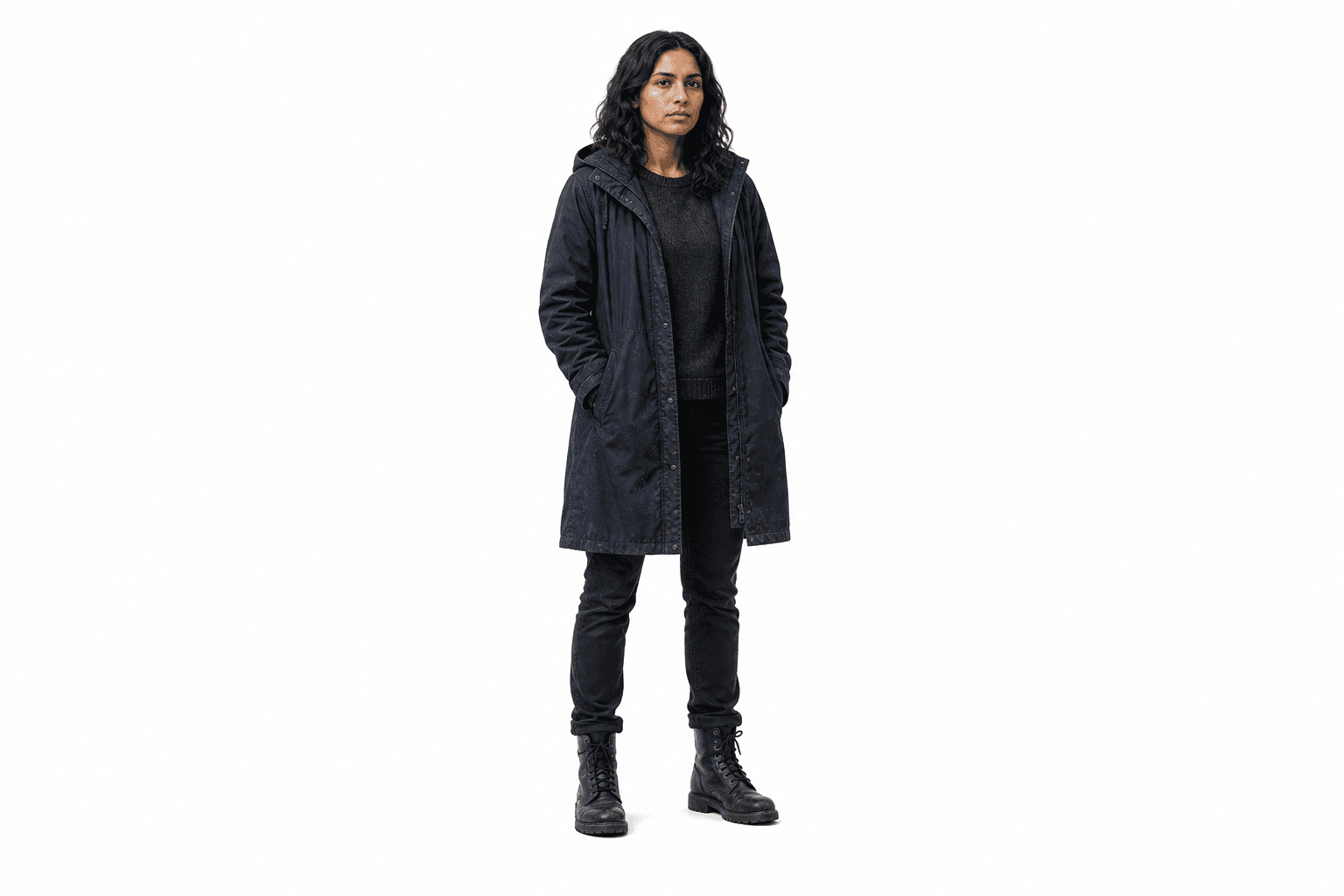
@Mara and @Ellis become character assets with dialogue context instead of loose names in a paragraph.
02
@Ferry_Dock becomes the reusable location so later prompts do not invent a new setting.
03
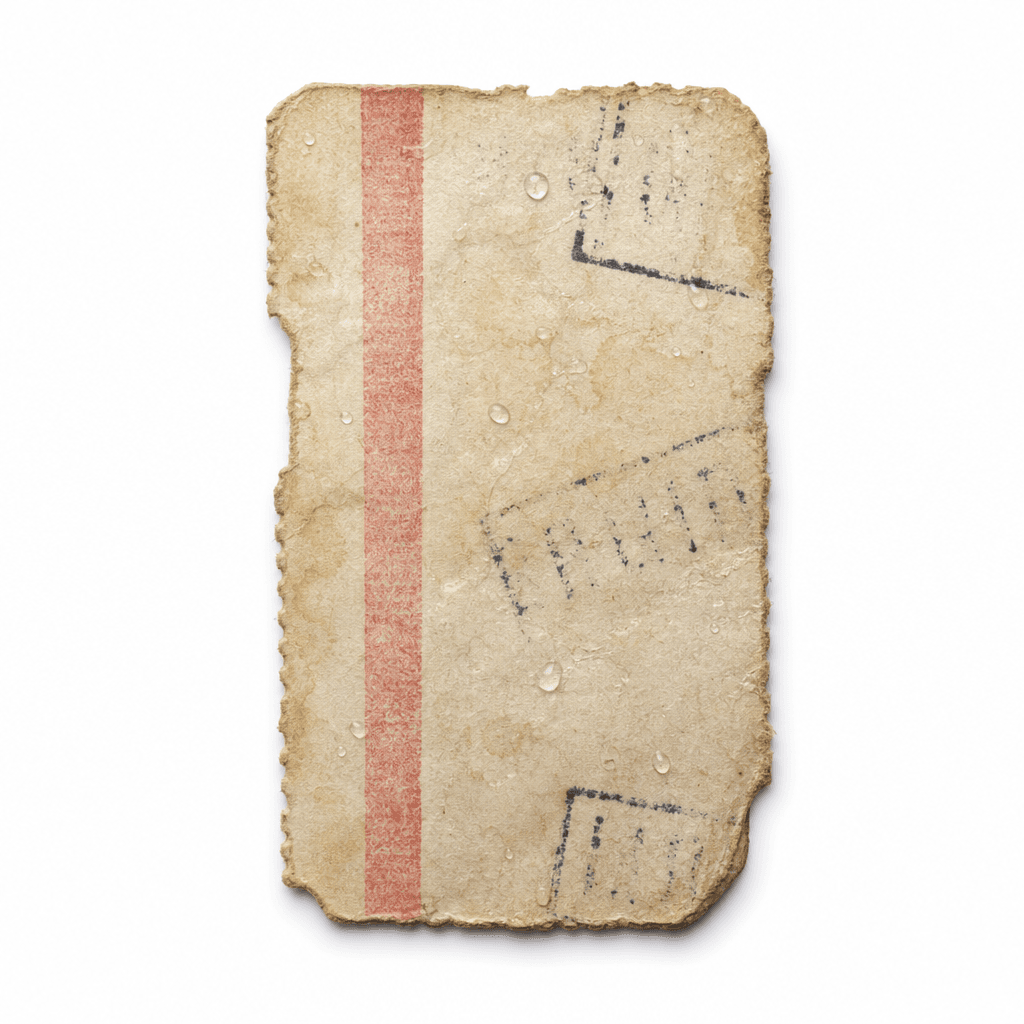
@Ticket becomes a reference prop before the insert shot and reaction beat depend on it.
04
The storyboard prompt inherits the approved assets, so image generation starts from reviewed structure.